DCB12-The Dharma of Cultivation

- Description
- Curriculum
- FAQ
- Notice
- Reviews
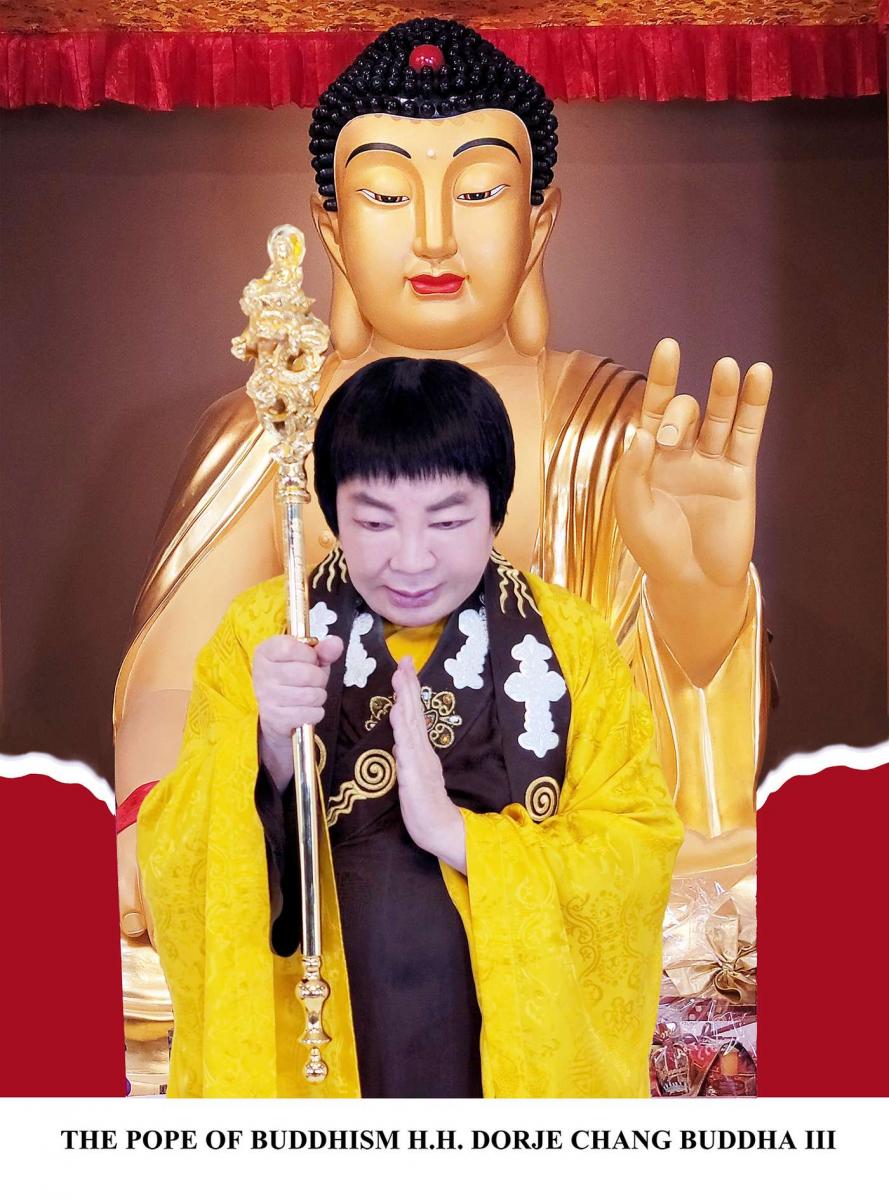
Many know that the Buddha taught the Four Noble Truths; suffering, the origin and cause of suffering, Nirvana where there is no suffering, and the Eight-fold Path to Nirvana. The Eight-fold path is often condensed into the three primary teachings of Morality, Concentration, and Wisdom. Put another way it is learning how to have the behavior of a Buddha (speech and actions), which enables you to have the mind (concentration) of a Buddha, and with those two qualities, you gain the wisdom of a Buddha and thus become a Buddha.
This Buddhist course will focus first on how one develops the behavior of a Buddha and thus manages one’s karma so as to have good fortune and happiness and begin the process to become an enlightened being or Buddha. This process is called “cultivation” or “xiu-xing (修行)” in Chinese.
We will use as a text The Dharma of Cultivation taken from a discourse given in 2008 by H.H. Dorje Chang Buddha III in response to a question raised by Zhaxi Zhuoma on how to teach the dharma to Westerners. The discourse is known as “What Is Cultivation?”
You will read the entire discourse several times and prepare a preliminary summary of the essence of the discourse in your own words as if you were going to explain it to someone who was not familiar with the discourse or even knew much about Buddhism. Then you will answer a series of homework questions and submit them for feedback from the facilitator. After that take additional time and revise your original summary and create a summary of “What Is Cultivation? (WIC?)” in your own words that contains the most important concepts in the discourse. Include how it has impacted your life and practice and respond to questions about your presentation from your fellow students. This is an on-line version of what would have been a debate in Tibet.
The class may also end with a multiple question final exam to make sure you understand the most critical principles taught in this discourse. The presentation and debate part is optional for those enrolled in the Buddhist Studies Program, but required in the Xiuxing Seminary Program. This course, per se, is not part of the free Auditing Student Program. You will need to enroll in one of the paid membership programs to take this course.
However, because the Dharma itself should always be free, the actual PDF of the sutra is available to anyone. Click curriculum button at top of description to view course and click public “PREVIEW” button to read or download sutra. If you have not registered for a membership, please click on “Membership” on the top menu bar to select your membership (either Buddhist Studies or Xiuxing Seminary) and enroll in this course.
You are also required to complete the application form provided in course “G02-Spiritual Autobiography” prior to being admitted to either of these programs. You are also required to complete “D01(A)-The Supreme and Magnificent Dharma” and “D35(A) The 128 Evil and Erroneous Views”. Click for detailed Users Guide under the “STUDENT MANUAL” in the website’s top menu bar for more information.
-
2
 Download and Read the Dharma Discourse “What Is Cultivation?”
 -
3
 DCB12 Video-I on Fearing Death (Impermanence)
 -
4
DCB12 Video-II on Belief in Reincarnation
-
5
DCB12 Video-III on Belief in Reincarnation
-
6
DCB12 Video-IV on Impermanence & Reincarnation
-
7
How to do Assignments
Please read and follow these instructions.
-
8
 DCB12 Assignment 1: Overview (Questions 1-3)
2024-09-26: The Heart Sutra used in the chanting at the beginning has been revised to reflect the most recent translation of Expounding the Absolute Truth through the Heart Sutra. Assignments 8 & 9 have been redone. Question 2 from Assignment 1 has also been revised.
2024-10-11: Added Feedback assignment at end of questions.
2025-12-23: Added c01-Essays from Dharma King Zun Sheng as a prerequisite.
unknow date: at some point RJ changed questions 1-3 to remove duplication with the feedback questions and focus on the the videos in the Overview section
2026-1-26: Changed questions 27-34 to include the wording of the 8 fundamental right views instead of just numbers -rj
2026-1-27: Changed questions 17-26 to refer only to the text of What is Cultivation -rj
-
G02-Spiritual Autobiography
-
D01(A)-Buddhism for Beginners, The Supreme and Magnificent Dharma (DISCOURSE ONLY)
-
D35(A)-The 128 Evil and Erroneous Views (TEXT ONLY)
-
What is Prerequisite coursesA prerequisite is a specific course that you must complete before you can take another course at the next grade level.